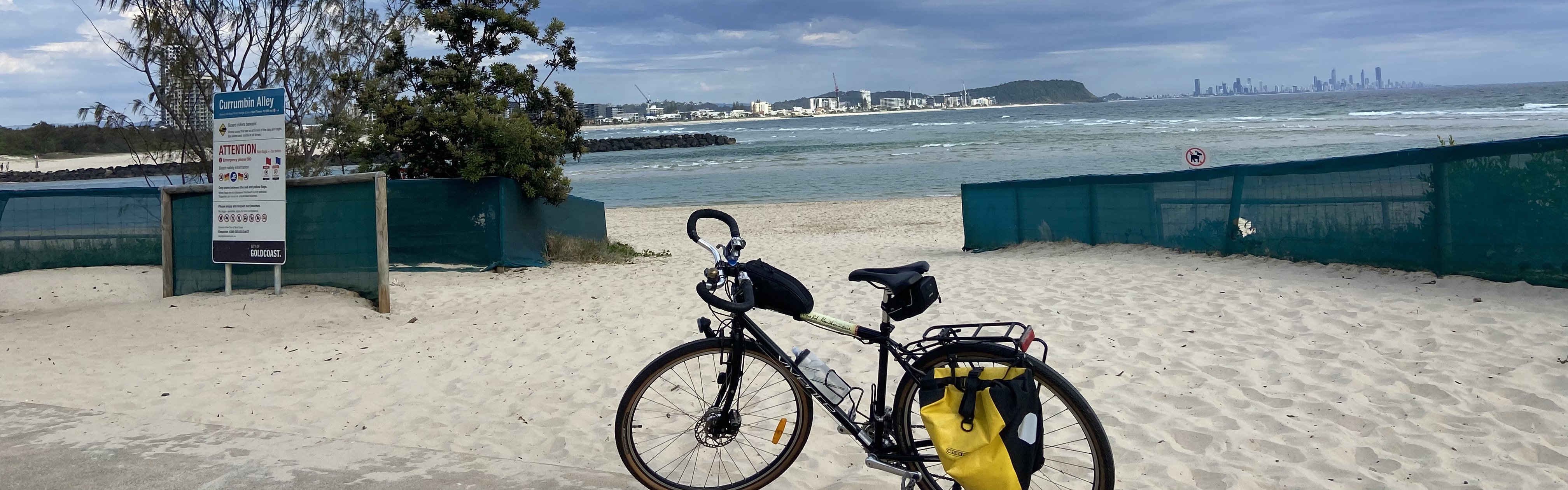

Two weeks. Two countries. Two cities. Hello from Oslo!
I’m revisiting Oslo. Again in Spring and excited to experience this city as it wakes from wintery days. Only a week before I arrived, Norway’s capital was wrapped in cold, wet weather. I saw photos on Instagram where locals wondered when spring was going to come. I packed my suitcase with a little bit of everything and not too much of anything.
And it’s quite possible the Gold Coast’s autumn sneaked into my suitcase too. On the day my plane landed, sunshine spread across clear Nordic skies and temperatures rose to 25°Celsius (77°F). My telegram to home might have read something like this: warm, stop, sunny, stop, send more t-shirts, stop.
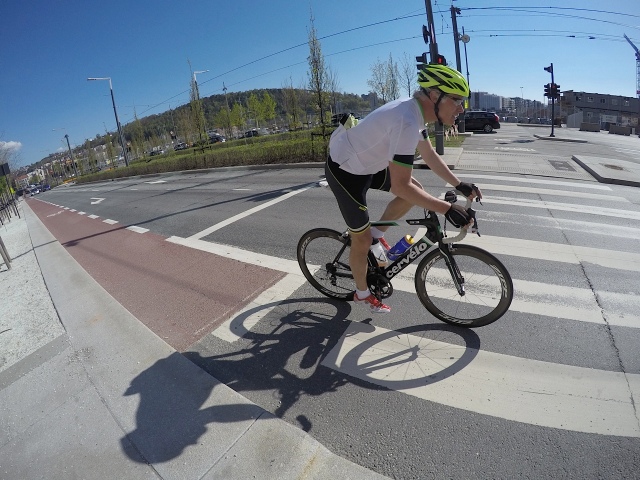
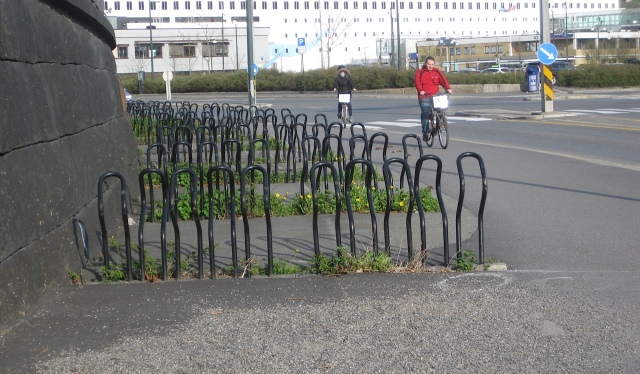
All this warmth brings bodies outside to soak up the sunshine. It also means bicycles are cleaned and serviced for a season of cycling. All types of bicycles. A variety of people and purposes. Some with helmets. Many without. Unlike Australia, wearing a helmet is not mandatory by law. Some wearing lycra for the longer commute. Many dressing for their destination.
So did I get out there among Oslo’s bicycle riding community? I certainly did – but first, here’s a glimpse of Oslo’s bicycle riders….
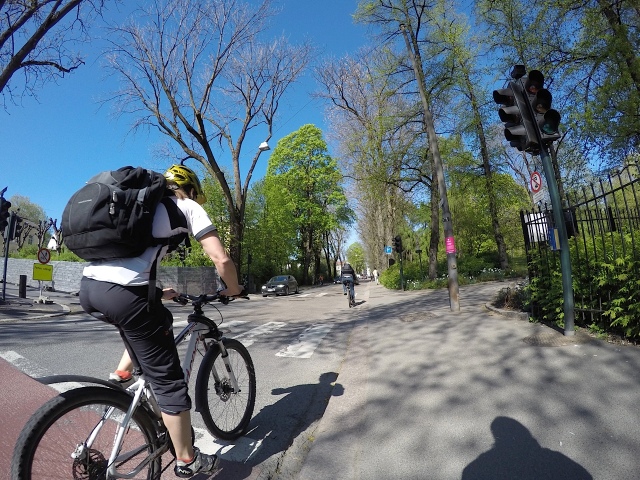
Springtime commuter
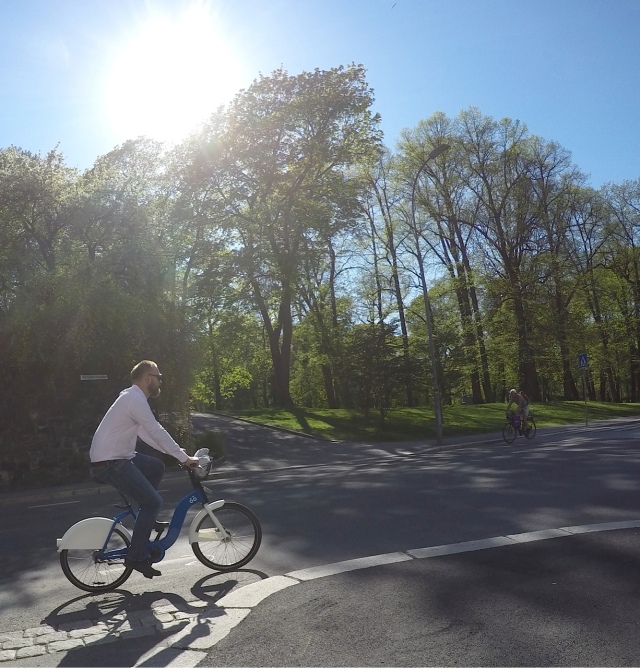
Between appointments.
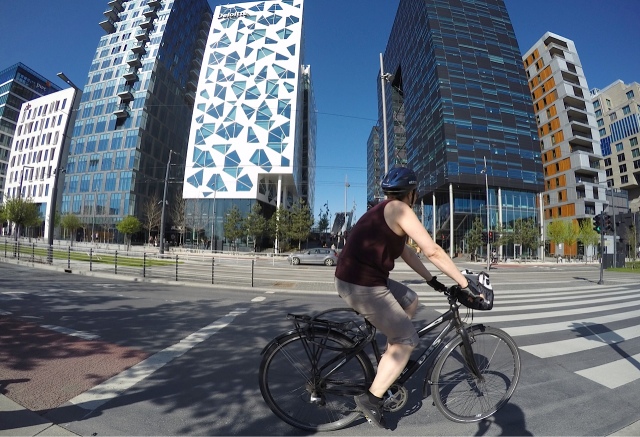


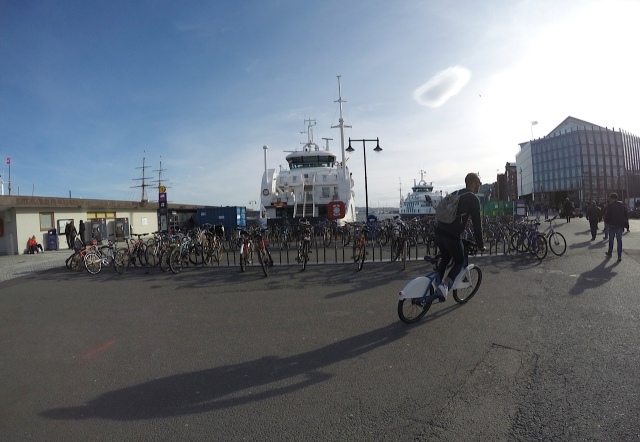
Oslo harbour bicycles – bicycle rider – long shadows.


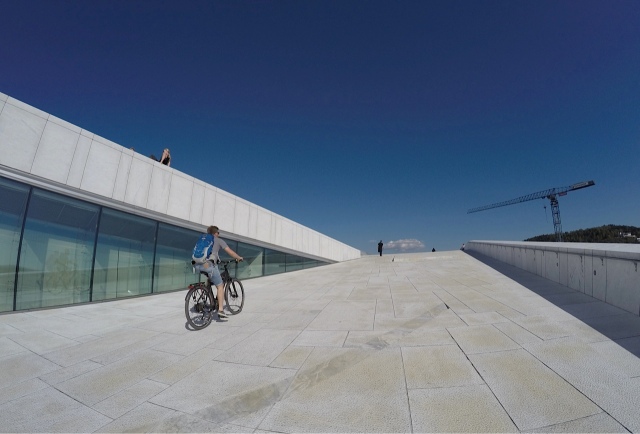
Bike rider pedalling on the roof of Oslo’s Opera House.
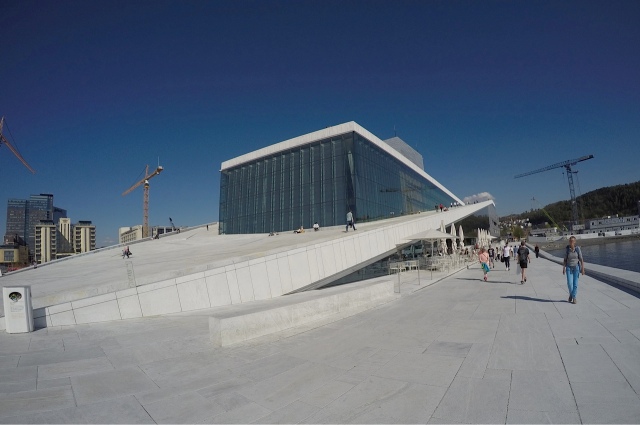
Oslo Opera House – the bike riders were photographed on the incline to the right of the glass (close to where there’s a red speck).

I hadn’t planned to ride in the Bunya Mountains. An invitation arrived to share a cabin there over the long weekend with friends. It’d been the late 90s since I’d visited the Bunyas so I was looking forward to going there again. Bicycle riding, though, was unlikely to be in the equation.
The Bunya Mountains sit like an elevated island of rainforest habitat surrounded by dry flat plains that stretch to the horizon. Sitting at about 1000 metres above sea level, this cluster of peaks has a distinctive climate that draws sea and city dwellers to its cooler temperatures. You’d think that attraction would be to get some relief from the sub-tropical heat. But in fact winter is the most popular season. The elevated climes of the Bunya Mountains means that coats bought for travelling to Europe can be pulled out of wardrobes, fireplaces can be lit, red wine sipped and the heat of summer forgotten.
This hasn’t always been the norm. Prior to European settlement, the Bunya Mountains was a gathering place for the First Australians during summer. Every few years during the summer months, the Bunya Pines produce cones containing edible seeds known as the Bunya Nut. So every few years, a gathering took place with people travelling hundreds of kilometres to meet “for ceremonies, law-making and resolving disputes, renewing friendships, passing on lore, sharing ideas and revitalising spirituality” (1).
Our weekend at the Bunyas was going to be about nourishing friendships and revitalising the spirit among some beautiful hiking trails. But, knowing that the Brisbane Valley Rail Trail begins on the nearby plains, we decided to pack the bikes onto the car with an idea to cycle a small section of the rail trail on Sunday.
Not so. Once we arrived at our cabin, heard the blissful quiet, soaked in the sunshine and drew in crisp clean air, any plans to leave the mountain for a day trip to the plains, was thrown out the window and flew away on the wings of a crimson rosella.
Come Sunday though, my cycling legs became a little curious. We hatched a plan to ride out to where one of the hiking trails begins. It would be about 6kms riding, an 8km hike and then a 6km ride back to the cabin. All very reasonable. In theory.
Setting off enthusiastically, with the thrill of a downhill run, the hills hit soon after. You see we’d arrived on the Bunyas at night time and had no idea what the terrain was like.
We didn’t make it to our destination. Only halfway. We didn’t do the hike we’d planned. A different trail saw our boots that day. Do I feel disappointed? Not at all. After meeting those challenging hill climbs and feeling the exhilarating descents, I was riding high.
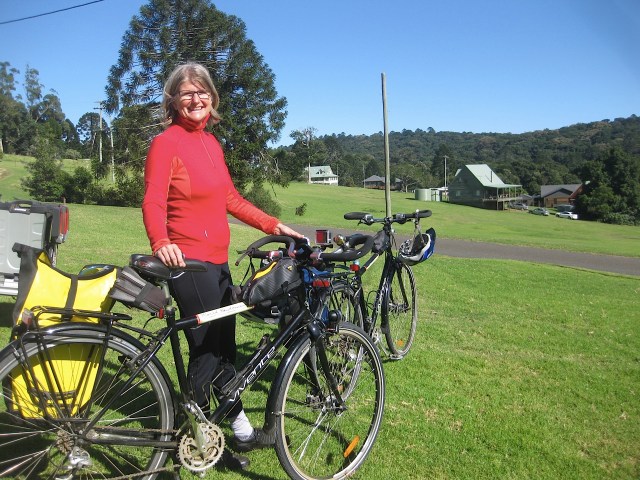
Ready to roll. The tree behind me is a Bunya Pine.


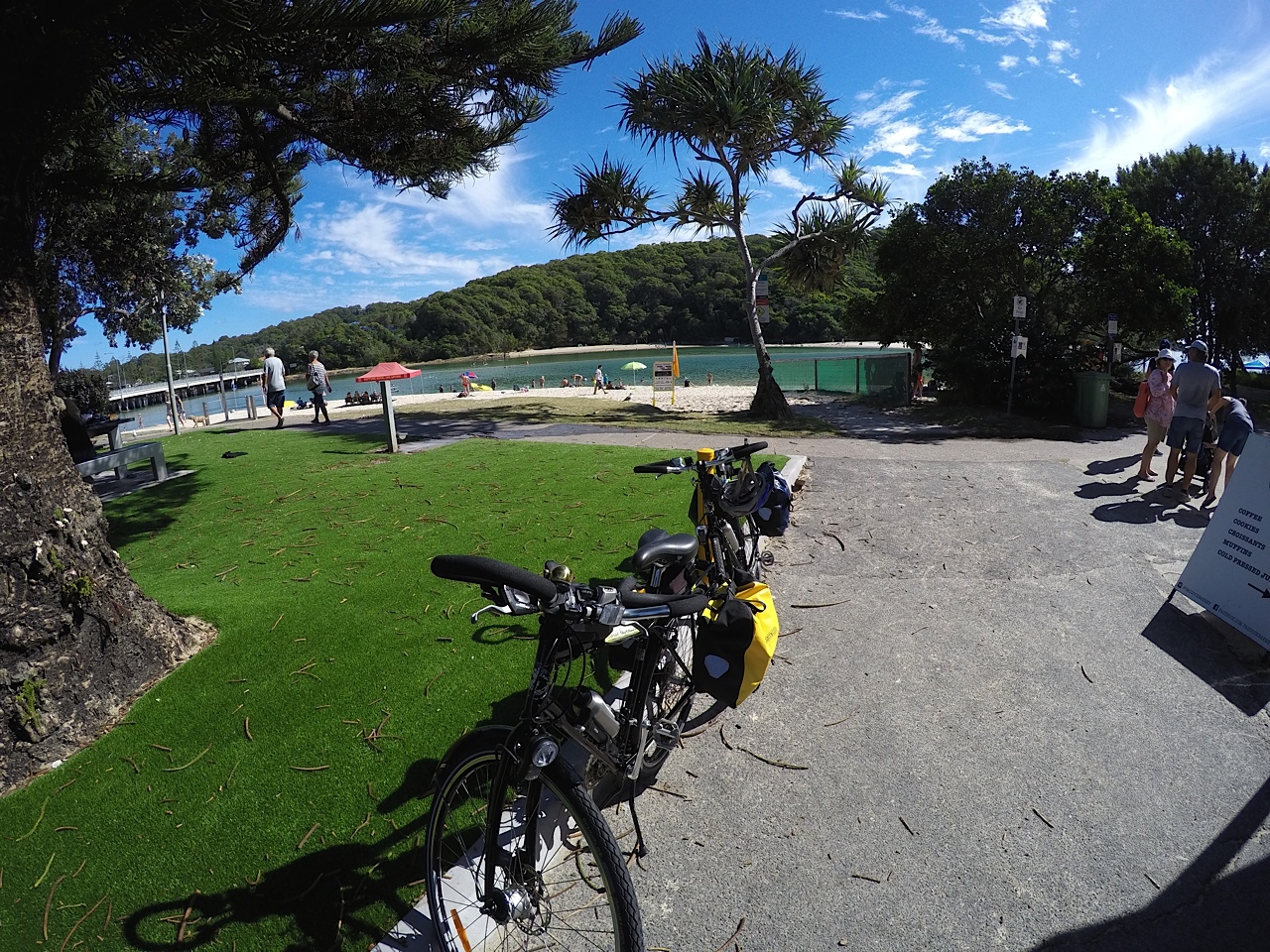
Some things catch your eye and it’s only later that you discover why.
Standing by Tallebudgera Creek last Sunday, sky beaming blue and people drifting in and around the foreshore, I waited for a takeaway coffee from The Horse Float. Nestled next to an old fibro building, the Horse Float serves espresso coffee and wood-fired pastries from The Paddock Bakery. The trailer – yes the type that carts horses around – has been converted into a mobile cafe with room for barista, espresso machine and sweet treats.
With our bikes in eyesight, I stood shaded by tall Norfolk Island pine trees. On Australia’s East Coast, the presence of these trees on headlands and shorelines, typically marks where early communities of European settlers gathered. And in many cases, Norfolk Pines remain as beacons of popular swimming locations.
Looking up to the old fibro building, I read: ‘NEPTUNE Royal Life Saving Club’. Then I read it again. Something was different about this faded red script painted onto the fibro wall. I wondered if it was the colour or the way the letters were written. Something about it caught my eye. It seemed to be from a time past. But then the barista called my name and the sign was forgotten, the coffee and croissant enjoyed, and our Sunday ride continued.
Back home later that morning, I downloaded the photos I’d taken while out riding. That faded red script still caught my attention. It said ‘Royal’ and not ‘Surf’. So I googled the club’s name and this is what I learnt.
While Surf Life Saving Clubs, with which I’m more familiar, have responsibility for patrolling surf beaches, the role of Royal Life Saving Clubs is to patrol waterways like inlets, rivers and pools. And then I learnt this…
The NEPTUNE Royal Life Saving Club began in 1928 as Australia’s first women’s only Life Saving Club! Formed in Brisbane, the club took up its current place on the banks of Tallebudgera Creek in 1959. Their clubhouse was a tent!
Two years later in 1961, a single storey club house was built and the NEPTUNE RLSC became the “world’s first all-female Life Saving Club to perform beach patrols with a permanent club house to call its own” (Neptune RLSC).
Of course now the club welcomes both male and female members but its rich history remains.
And this is a wonderful piece of history that I didn’t know. That’s what I like about travelling slowly by bicycle, taking time to stop and looking at what’s there. To let things catch my eye and learn more about the place where I live and roam. I notice things I might never have otherwise seen.
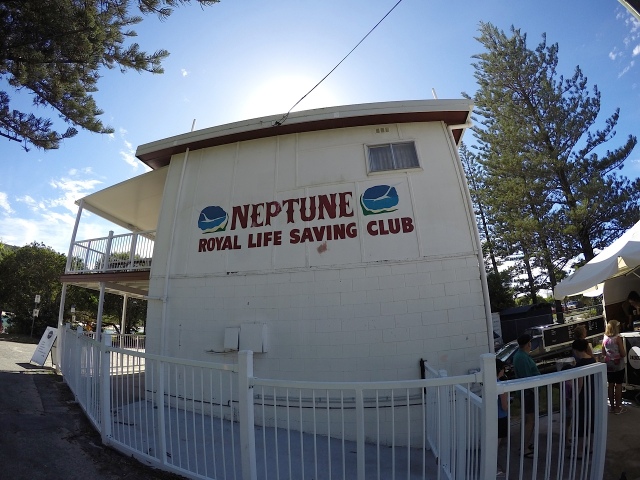
The first all-female Life Saving Club.
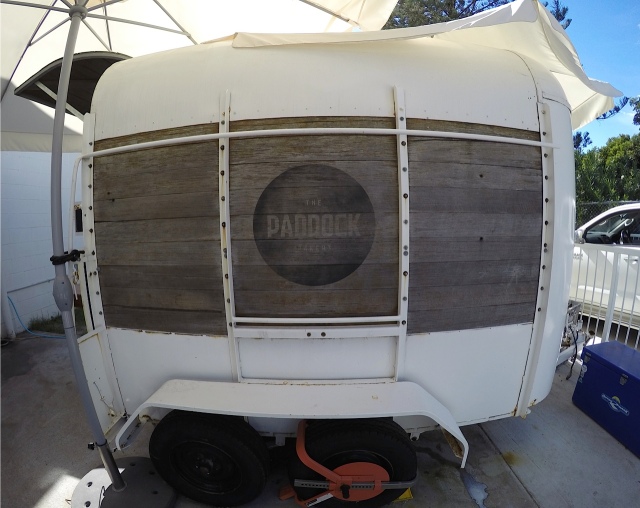
The Horse Float
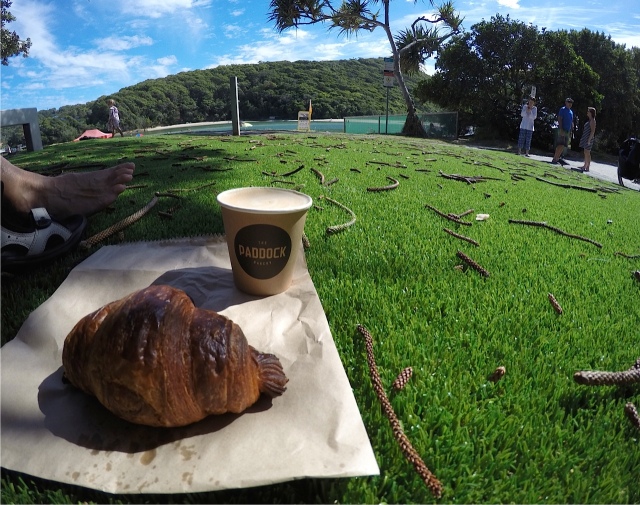
Paddock coffee and wood-fired croissant by Tallebudgera Creek.

The Neptune Ladies Life Saving Club in 1929. (Photo: Sunshine Coast Daily)
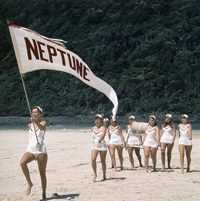
1957 at Tallebudgera.
Footnote: During the 1980s, the club added a second story to their building and began admitting male members.
 a bike for all seasons