
Gothenburg is a city of commerce, bustling the length of a long thin harbour and along narrow cobble-stoned streets where shops furnish Swedish style and advertise Global Blue Tax Free shopping. The city was doused in hues of grey during our stay, except for one day when the clouds cleared and Nordic blue swept the sky clear. Sunshine sent the flowers into rapture and I joined them.
I walked that sunny day, soaking in the sun’s warmth and remembering our bike ride to Saltholmen.
Sitting by the seaside, Saltholmen marks the end of the line for west-bound trams and the start of a ferry ride to Gothenburg’s archipelago. It seemed like a good destination. I’d researched hiring bicycles and, although there is a city cycle hire scheme like Oslo, I decided to hire from a bike shop. It was a good choice.
We took a short tram ride to Stigbergtorget tram stop, walked over the road and hired bikes from Cykelkillarna. For a 24 hour hire, we each paid 120SEK ($21AUD / €13EUR /$15USD). The bike shop owner was very attentive, carefully adjusting each bicycle to ensure a comfortable riding position. The bicycles were a hybrid style, relatively new too and rode beautifully.
Saltholmen is about 9kms (6mi) from Cykelkillarna and very easy to find because Gothenburg’s bicycle network is excellent. There are clear pathways throughout the city, many separated from motor vehicle traffic and the paths are very well signposted.
On the day we rode I remember the chill of the wind most vividly. A temperature range of 6°-14° celsius, but a wind chill much cooler. Certainly nothing out of the ordinary for hardy northern hemisphere riders but for a sub-tropical cyclist like me, it was chilly.
The wind stopped us from spending too much time by the sea at Saltholmen. We had planned to continue with our bikes onto a ferry and over to an island in the archipelago, but outside was so windy and cold. So we went inside.
We found a snug café in a small garden centre where a forty-something man with a ginger beard smiled warmly and served us steaming goulash soup with two slices of rye bread smeared with something resembling quark, and each slice topped with two slivers of green capsicum. Overdosed on chilled salty wind and breakfast long over, I felt I’d landed in some type of temporary heaven.
Invigorated for the return trip, we retraced our tracks some of the way and then made a spontaneous decision to take a right hand turn towards Slottsskogen. On our maps, Slottsskogen showed as a green space, a large park criss-crossed with trails. On our bicycles, it brought some hills to climb. In my lungs, it meant crisp clean air. And in my eyes, the whole place sparkled. Not because I was having any sort of medical emergency. Quite the opposite.
Leaving behind streets lined with apartment buildings and neighbourhood shops, I was immersed in tunnels of leafy beech trees, tinting the air with a green hue and breathing life into me. When I posted photos of this forest on my Facebook page, Dayna (who writes for the Melbourne Brompton Club) described this wonderful feeling of being amongst trees, forest or bushland as “Shinrinyoku”. It means forest bathing or forest medicine.
In the heart of Slottsskogen, I felt all the grey skies and bustling commerce wash away, leaving a fond memory of a very enjoyable day cycling in Sweden’s second largest city.
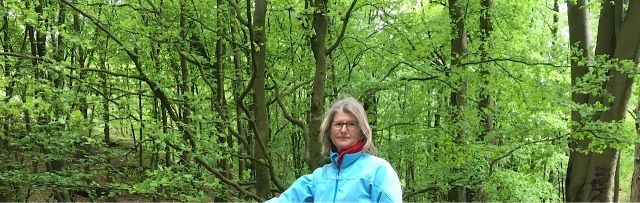
Shinrinyoku – Forest bathing
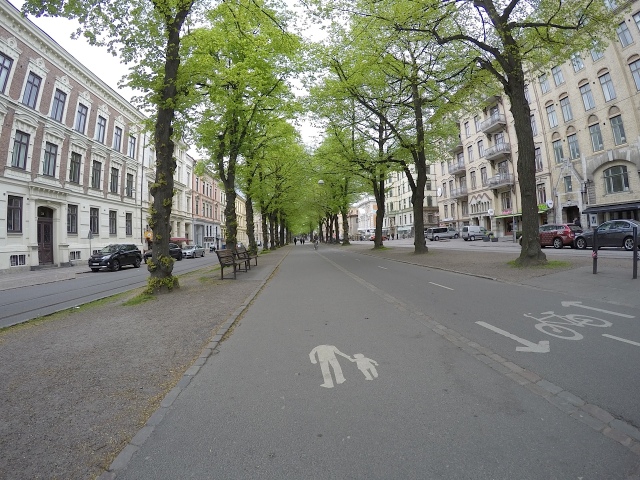
Bicycle lanes and pedestrian walkways given priority through the centre of tree lined streets.
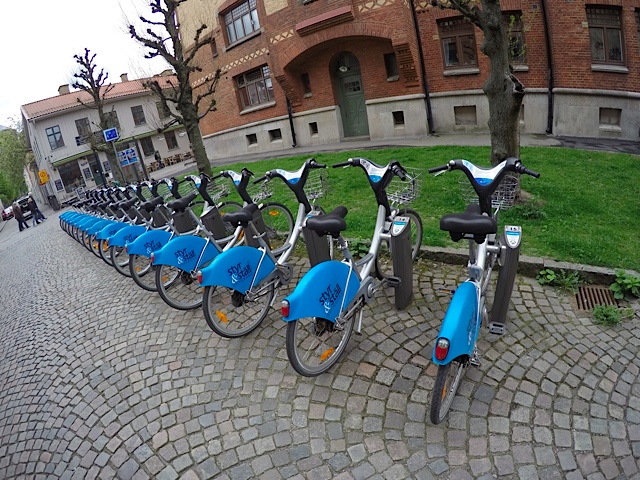
Bike station for Gothenburg’s cycle hire scheme in Haga (the Old Town)
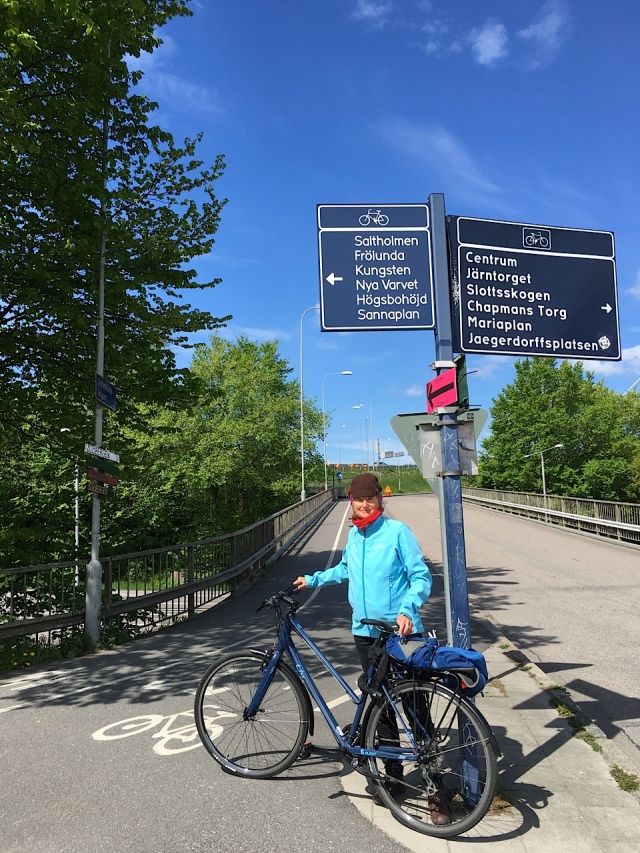
Signposts to Saltholmen.
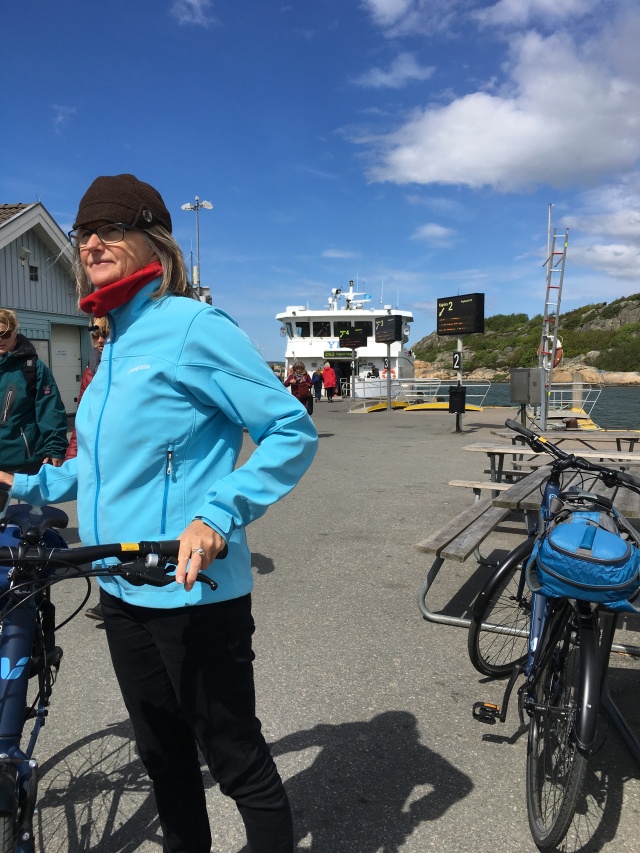
At Saltholmen: ferry in the background – hmm, which way next?
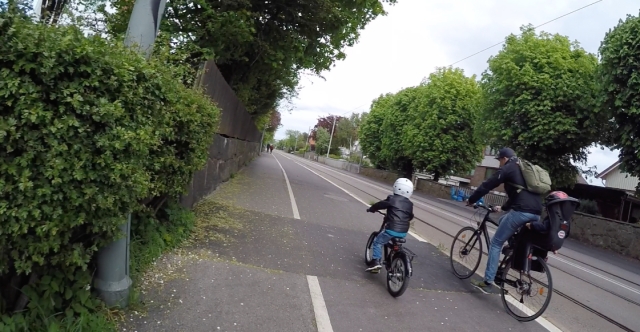
This local family stepped off a ferry from the archipelago at Saltholmen and cycled away.
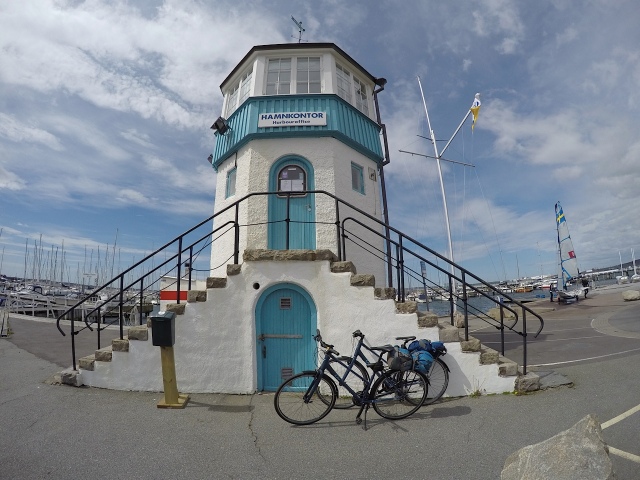
Harbour Office near the Sailing Club
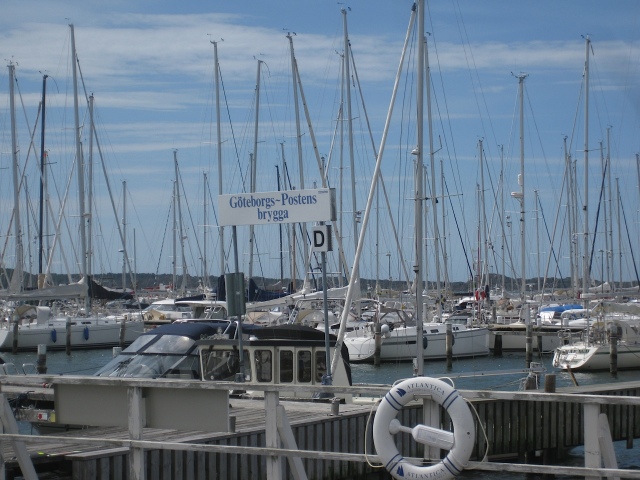
Seaside 1
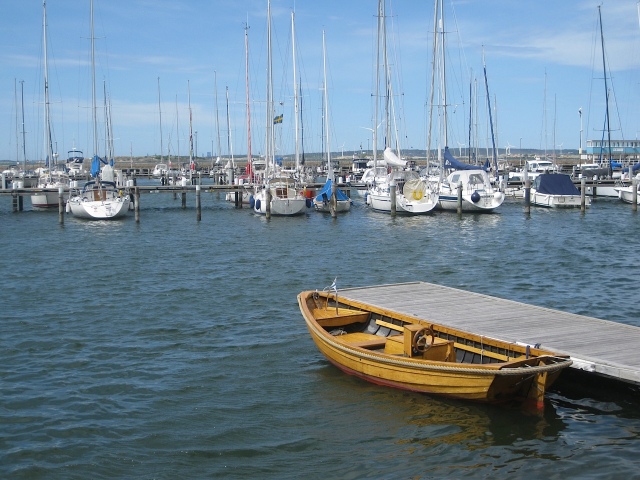
Seaside 2
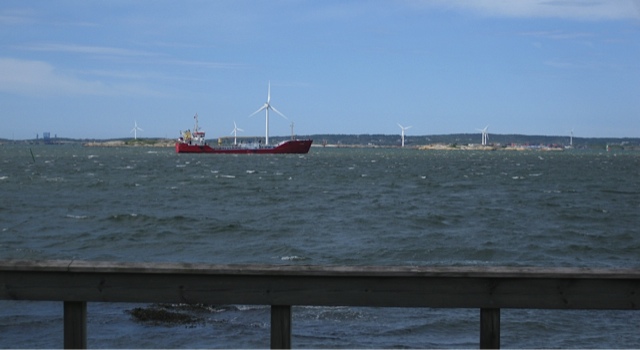
Seaside 3 – ships and wind farms
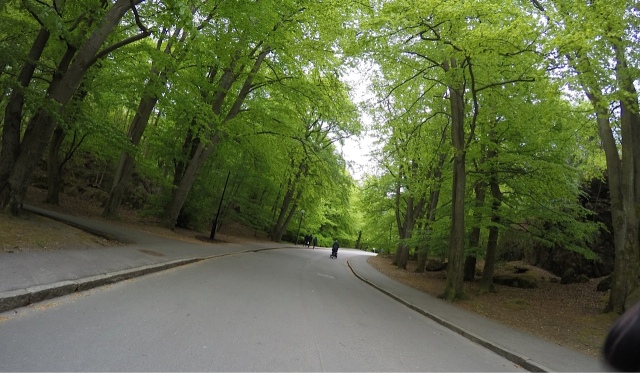
Tunnel of green in Slottskogan
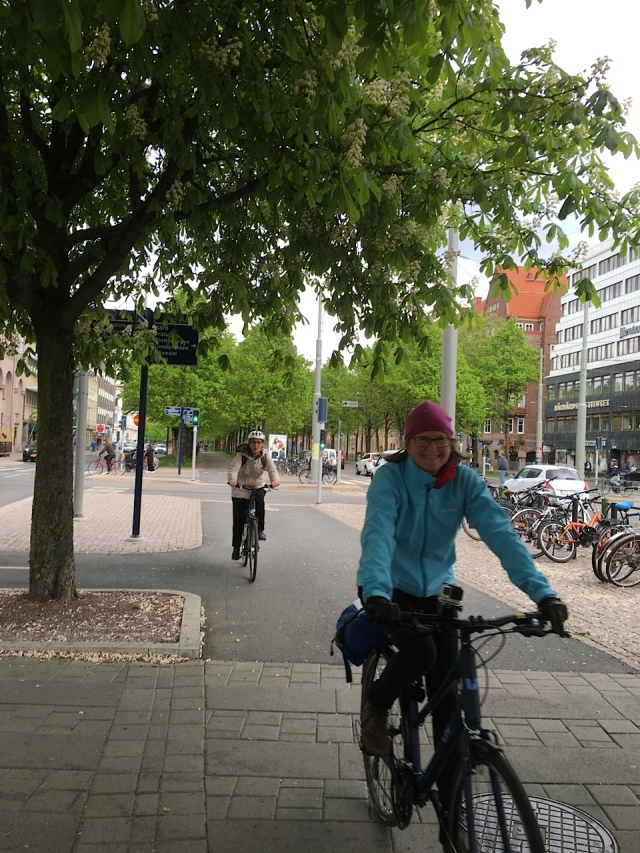
Cycling in Gothenburg near Nya Allén
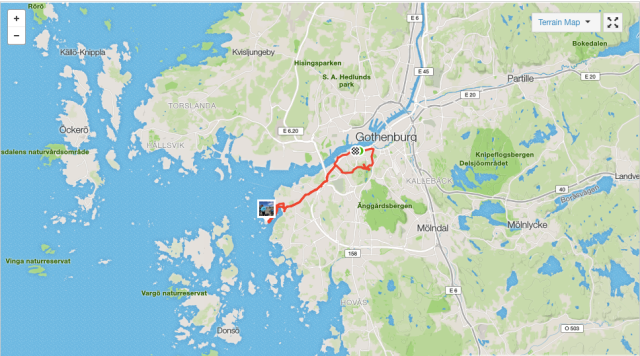
A map of our ride in Gothenburg.

I’ve finally emerged from a haze of jet lag and head cold. Although both lingered longer than I wanted or expected, I’ve been able to have the rest I must’ve needed.
So while I’ve been recovering, there hasn’t been much riding or writing or reading (blog writers, I’ll be visiting again soon 🙂 ). But there are stories in the making.
Over the coming weeks, I have some travel tales to tell about cycling in Sweden’s second largest city and also an interesting story about the wonderful Brompton bicycle.
In the meantime, I’d like to share with you an article I wrote for the winter issue of the Retiree Magazine which was published while I was travelling:
http://www.the-retiree.com.au/cycling-lifestyle-part-ii-cycling-somewhere-better/
I hope you are warm, well and enjoying where you are.
Gail
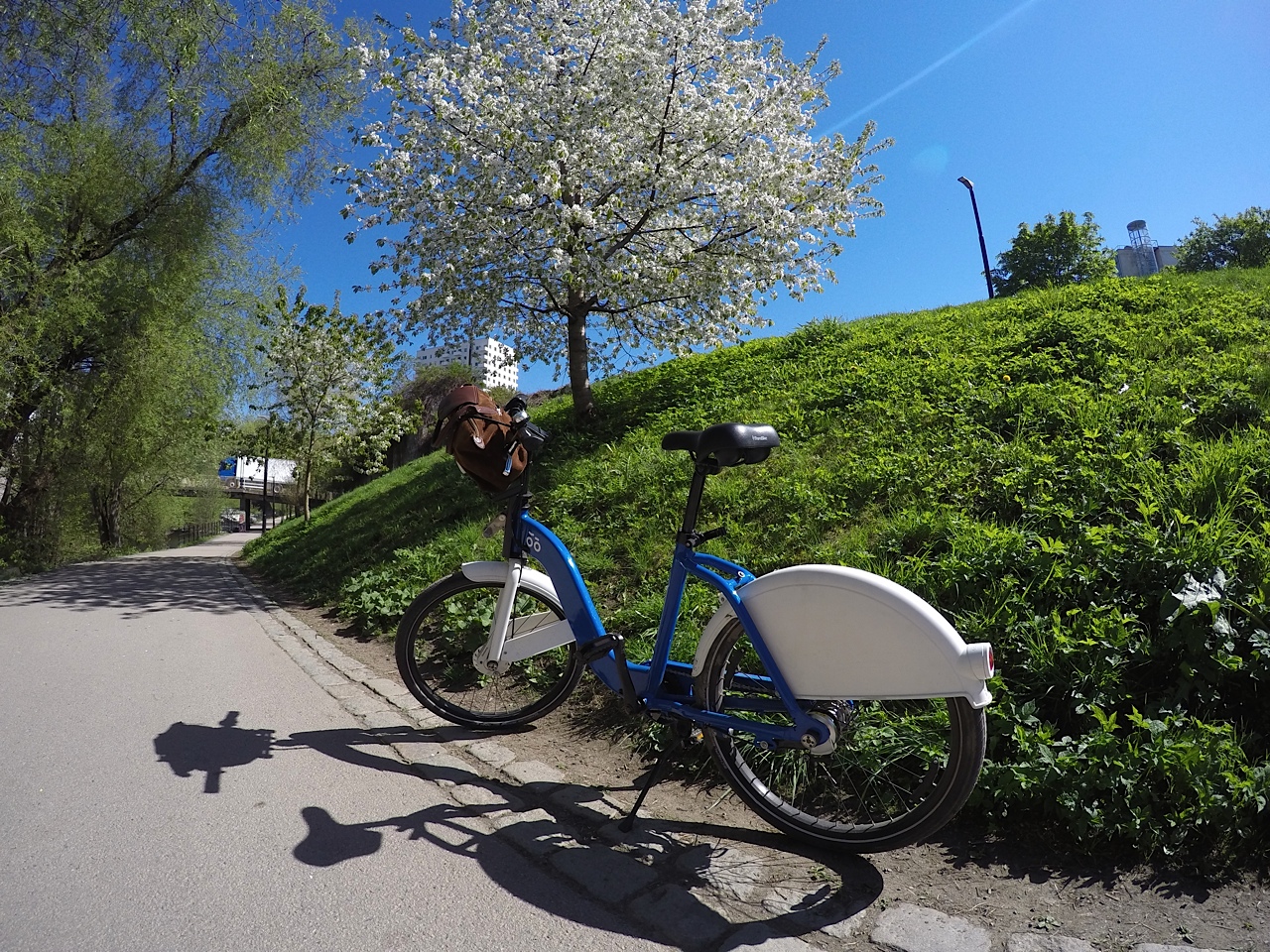
What’s blue, white, very photogenic and found in Norway?
Clear Nordic skies over snow-capped mountains.
The bright white marble of Oslo’s opera house draped with azure skies.
And….
The Oslo Bysykkel!
I’m switching seasons and revisiting Oslo. Looking back at my 2015 post, my Observations in Oslo remain current. There are, however, a couple of new developments. One is the Oslo Bysykkel – the Oslo city bike.
Oslo city bike is a bicycle hire scheme designed to help people move around the city easily. While the scheme is not new, last year’s purple dragsters have been replaced with a cute blue and white step-through. The bikes have three gears, mudguards, a chainguard and a very handy front rack for holding your handbag or backpack. They are very easy to ride and comfortable.
There are bike stations throughout the city where you can collect and return your hire bike. A growing number of cities have bike hire schemes which typically work on a subscription basis. In Oslo, registration for the current scheme requires a Norwegian phone number. At first I thought this restricted the scheme to residents but then learnt that buying a local SIM card for the mobile phone gave us a local number.
The city bikes are really well used in Oslo and when I went to a bike station for my first ride, there were no bikes waiting. I’m told this is common and a problem if you’ve got to be somewhere by a given time. Many locals use the city bikes to commute to and from work or university, as well as between work meetings. Even though I had plenty of time I only needed to wait a few minutes before another bike was returned to the station and available for use.
Using the Oslo Byskkel made it easier for me to explore places further away from my hotel and have a different experience from walking. I rode along the river that winds through Oslo and also visited Vigeland Sculpture Park, which despite all its stairs has ramps that make wheeling a bike around the park possible.
The other change I’ve noticed in revisiting Oslo is the growing number of electric bikes or eBikes.
An electric or power-assisted bike allows the rider to pedal as usual or use the electric power to propel the bike. When riding dressed for work and needing to climb hills, an electric bike would be very helpful. And I think the eBike is well suited to Oslo which, in parts, can be quite hilly.
My visit to Oslo is a month later than 2015 and I arrived in the week that Spring burst into action. Perhaps this flurry of warmth is why there seemed to be more people riding bicycles on this visit. But then maybe it might be the enjoyment of bicycles spreading.
Footnote: Thanks to Esther for keeping me moving on two wheels while visiting Oslo 🙂
Scroll over or tap each photo below to read its caption….


Bysykkel meets street art.

Riding along Karl Johans Gate.

Vigeland Sculpture Park

Vigeland Sculpture Park


 a bike for all seasons